LOD 200 vs LOD 300 vs LOD 400
LOD is often used to describe how developed BIM elements are for a particular project purpose. The numbers are useful shorthand, but they should not replace a written scope. Different disciplines and elements can legitimately be at different levels of development in the same project.
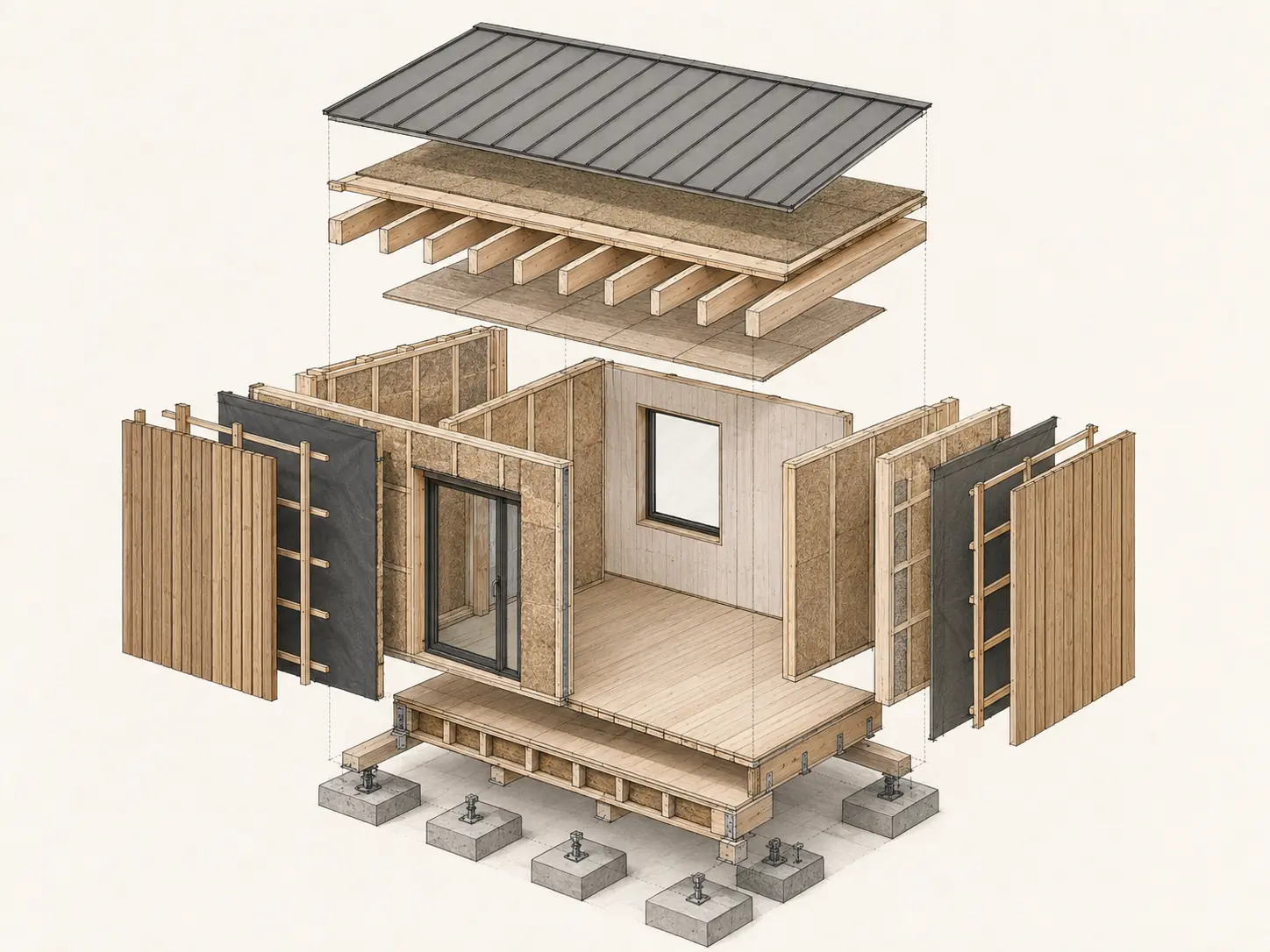
LOD 200: approximate systems and intent
At LOD 200, elements generally communicate approximate size, shape, location and orientation. The model is useful for design development, spatial coordination and early visualization, but dimensions and interfaces may still change.
It is usually inappropriate to assume that every modeled component at this stage contains fabrication-level information.
LOD 300: defined geometry for coordination
LOD 300 typically represents elements with more specific quantity, size, shape, location and orientation so that information can be measured from the model within the defined scope. It is commonly associated with developed design and coordinated documentation.
The model still requires clear responsibility boundaries and should not be treated as fabrication information simply because it appears detailed.
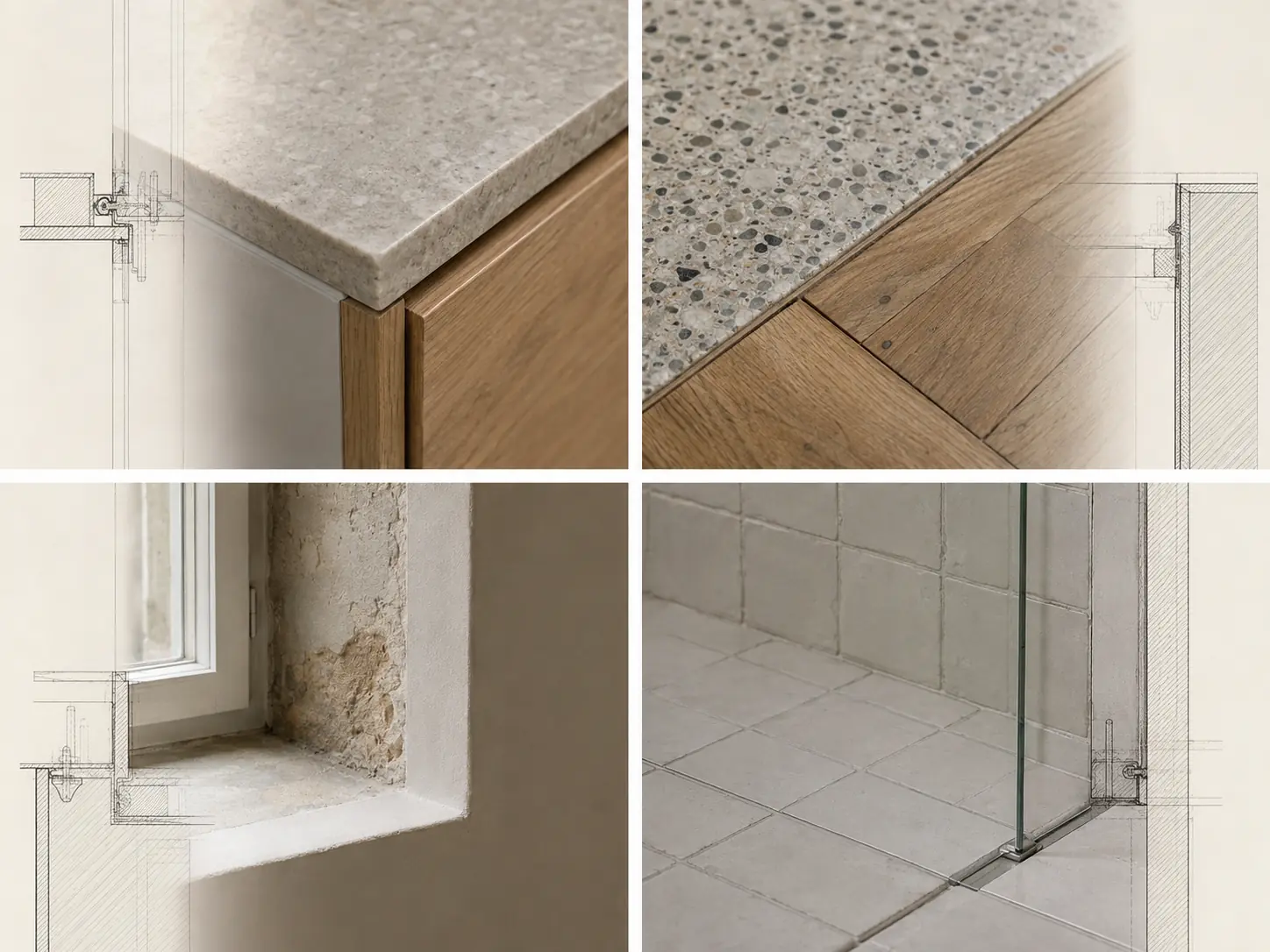
LOD 400: fabrication and assembly information
LOD 400 is associated with information developed enough for fabrication, assembly or installation for the relevant elements. This level is often created by specialist contractors, fabricators or trade partners rather than the architectural design team alone.
Requesting LOD 400 for an entire building without a clear use case can create large amounts of unnecessary work and cost.
Define model use, not only a number
A useful BIM execution brief identifies which elements need which development, the intended model uses, expected information fields, software version, coordination process and acceptance criteria. A single global LOD number is rarely enough to define a complex model reliably.
Key takeaways
- Higher LOD is not automatically better.
- Different model elements can require different development levels.
- LOD 300 is not the same as fabrication information.
- Write the intended model uses and acceptance criteria into the scope.