
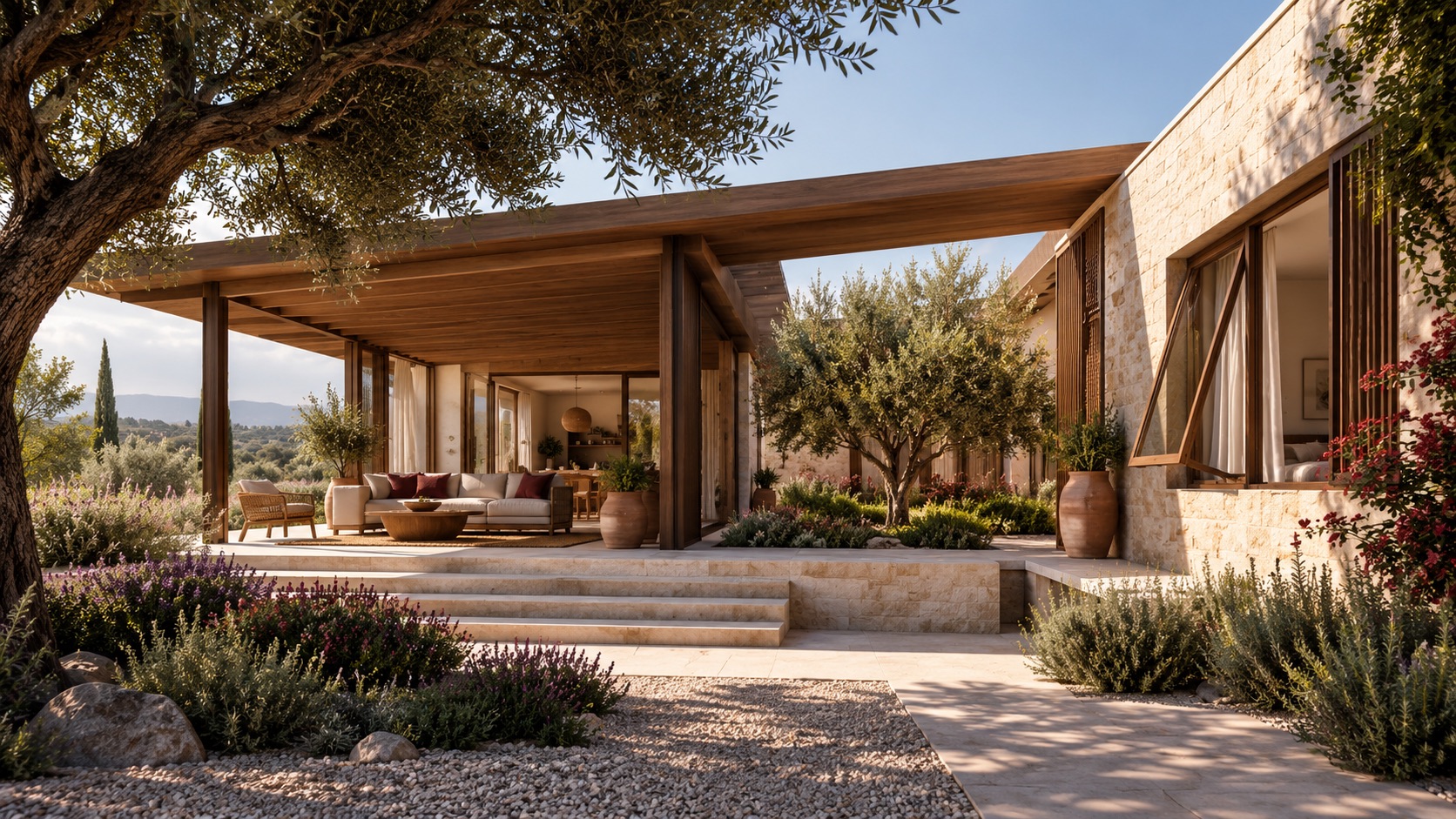
Why does a room overheat?
A hot room is often a combination of direct sun through glass, heat held by the roof and walls, and limited opportunity for warm air to leave. The result can be more than discomfort. For people who are older, very young or medically vulnerable, indoor heat can become a safety concern.
Start by observing which rooms become hot, at what time, and which windows receive direct sun. That simple record helps distinguish a shading problem from an insulation or ventilation problem.
Shade the glass from outside
Exterior shade can block sunlight before it reaches the window. Depending on the building, that might mean an overhang, an awning, an exterior screen or carefully placed planting. The right choice depends on sun direction, views, maintenance and local conditions.
The United States Environmental Protection Agency notes that exterior shading can be more effective than interior coverings at limiting solar heat gain. A designer can test shade at different times of day before a homeowner commits to construction.
The first cooling decision may be outside the window, where sunlight can be stopped before it enters the room.
Let air move when conditions allow
Opening windows can help when outside air is cooler than inside air. When the outdoor air is hotter, closing windows and shading them may be the better move. Outdoor smoke or poor air quality can also make open window ventilation unsafe, so check local air quality guidance first.
If the layout allows it, openings on different sides of a home can support cross ventilation. Ceiling and portable fans help people feel cooler by moving air, but they do not make a dangerously hot room safe on their own.
Improve the building envelope
A poorly insulated or leaky roof can allow unwanted heat into rooms below. Air sealing and appropriate insulation are often less visible than a new facade, but they can be central to comfort. The United States Department of Energy recommends considering shading, windows, insulation and ventilation together rather than treating cooling as a single product choice.
For an existing home, investigate the current roof, windows and ventilation before adding a visually dramatic solution. The best intervention is the one that addresses the actual source of heat.
Plan for the hottest days
Passive design can reduce heat gain, but it is not a substitute for safe cooling during dangerous heat. If indoor temperatures remain unsafe, use appropriate mechanical cooling or a local cooling location and follow public health guidance.
For a renovation or new home, Artimist can help visualize shade, room orientation and opening positions as design options. A local qualified professional should review climate, code, structure and building performance before work proceeds.
0 published responses